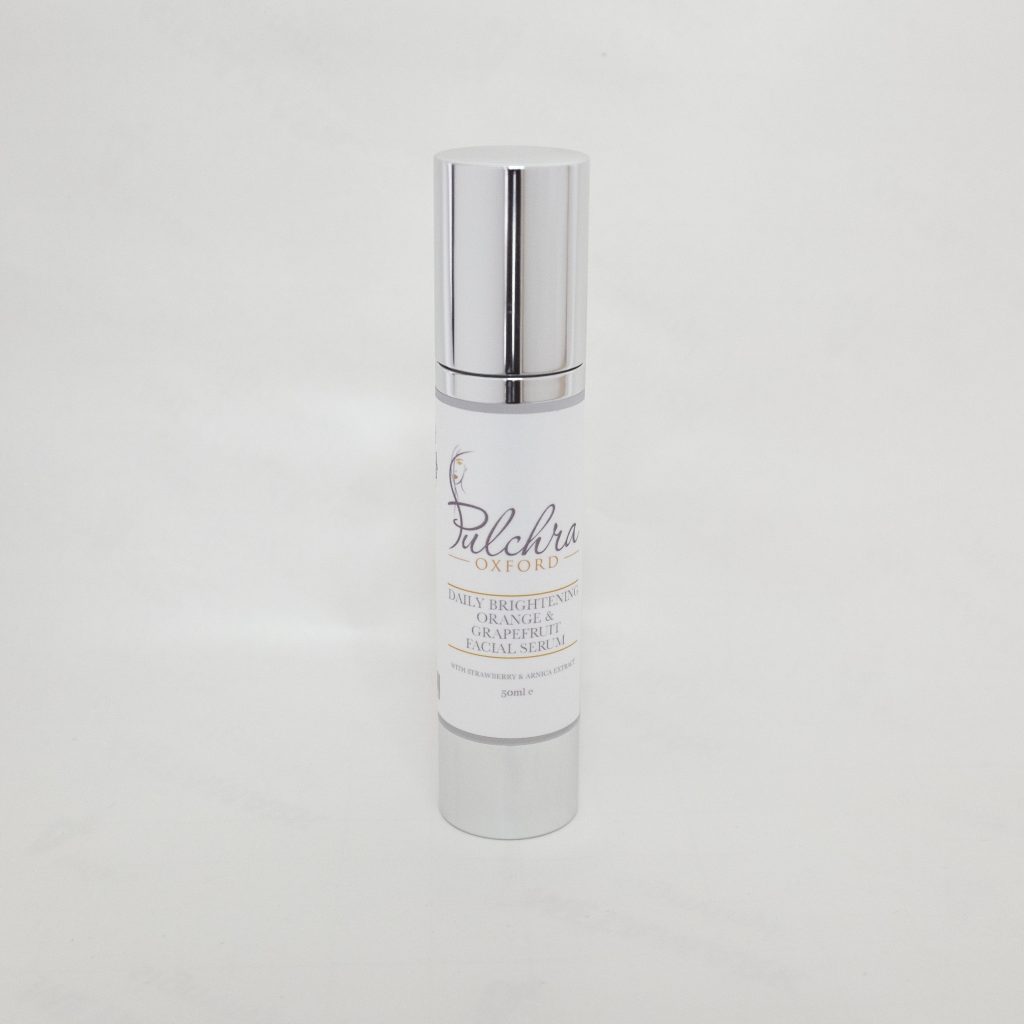
Our Facial skincare range for ladies offers a multitude of skincare products to address multiple skincare concerns and provide a solution to every skincare need. Our range comprises cleansers, toners, exfoliators, facial oils, treatment masks, moisturisers and serums.
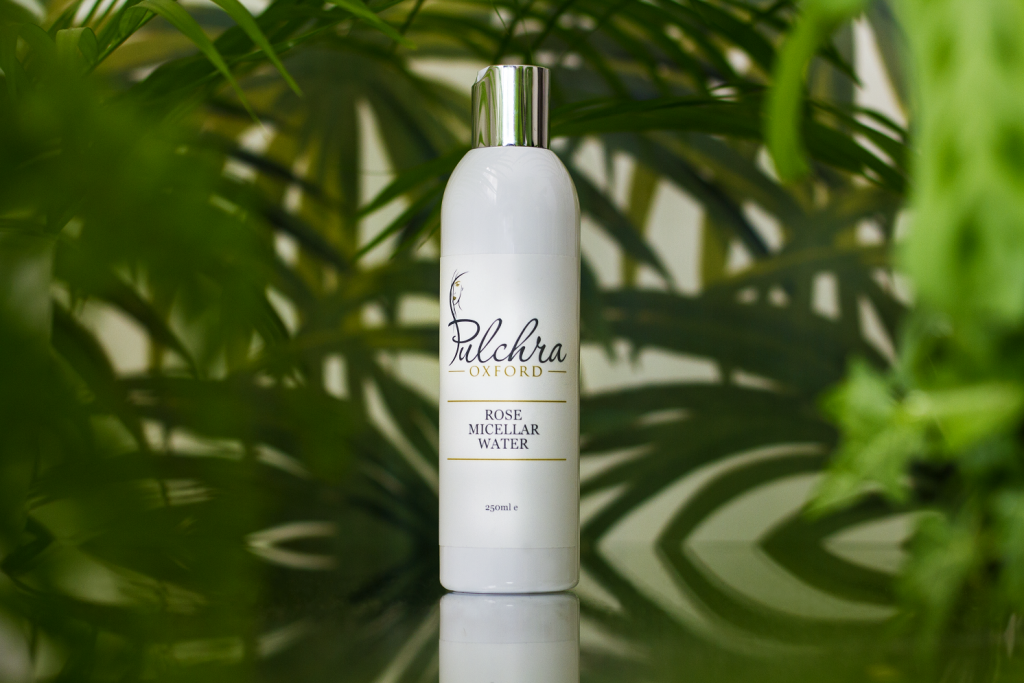
Make-up Remover
Micellar Water

Micellar water is a gentle, all-in-one cleansing solution that is widely used for removing makeup, cleansing, and toning the skin. It originated in France and has gained popularity worldwide due to its effectiveness and convenience.
Cleansers
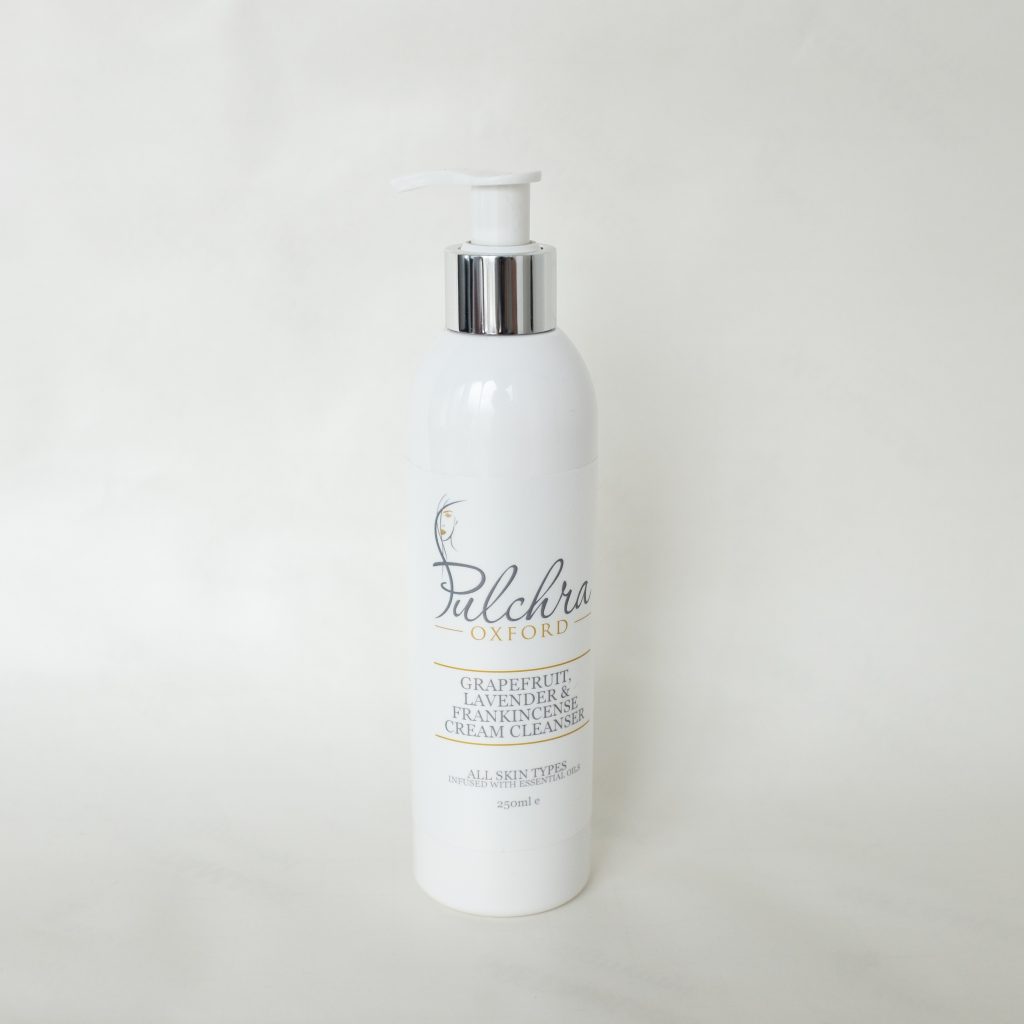
Cream Cleansers

A cream cleanser is a type of facial cleanser designed to clean the skin while providing hydration and nourishment. Unlike foaming or gel cleansers, cream cleansers have a thick, creamy consistency that makes them particularly suitable for dry, sensitive, or mature skin.
*Different types of Cleansers on the way!
Toners
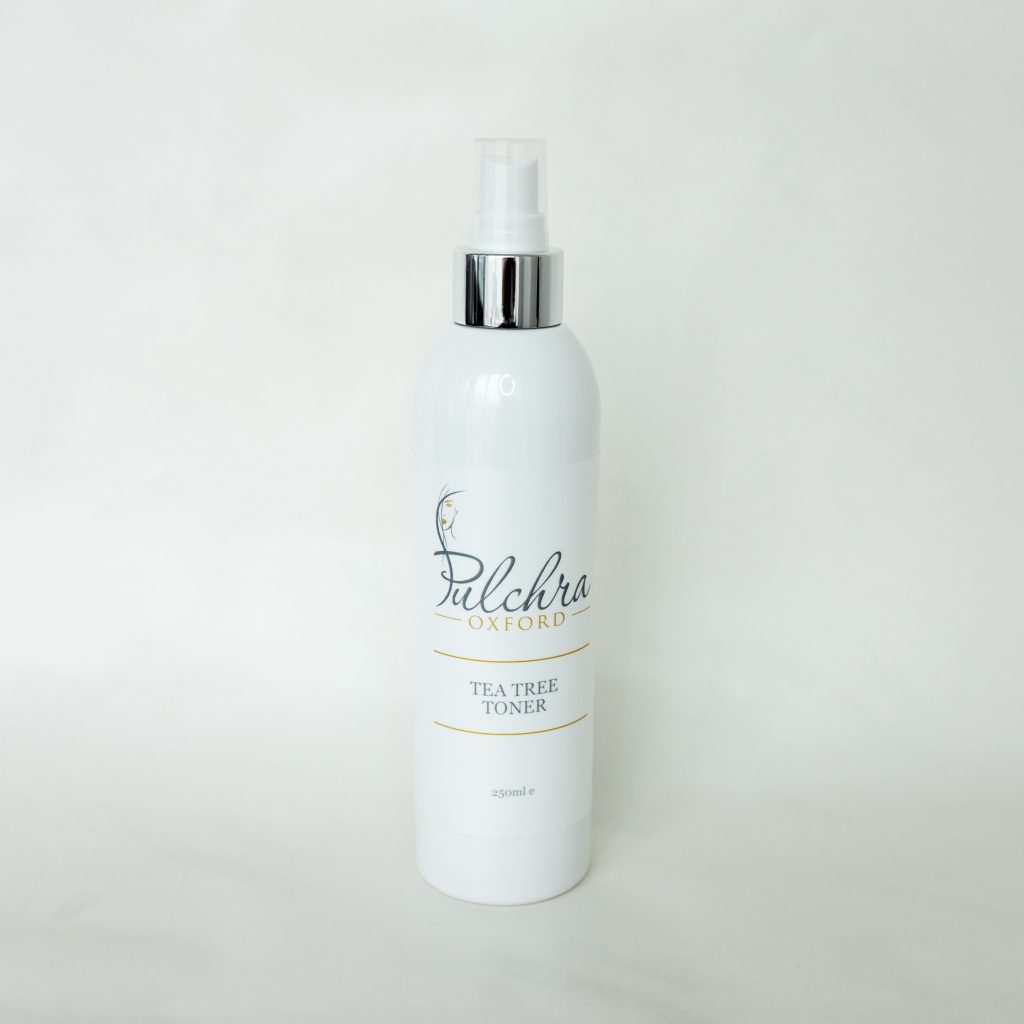
Floral Waters

Floral waters, also known as hydrosols. are aromatic liquids created as a by-product during the steam distillation of essential oils. When plant materials such as flowers, leaves, or stems are distilled to extract essential oils, the steam that carries the essential oil also captures water-soluble components from the plant. After the distillation process, the essential oil is separated from the water, and the remaining water is known as floral water or hydrosol.
Exfoliators
Manual Vs. Chemical

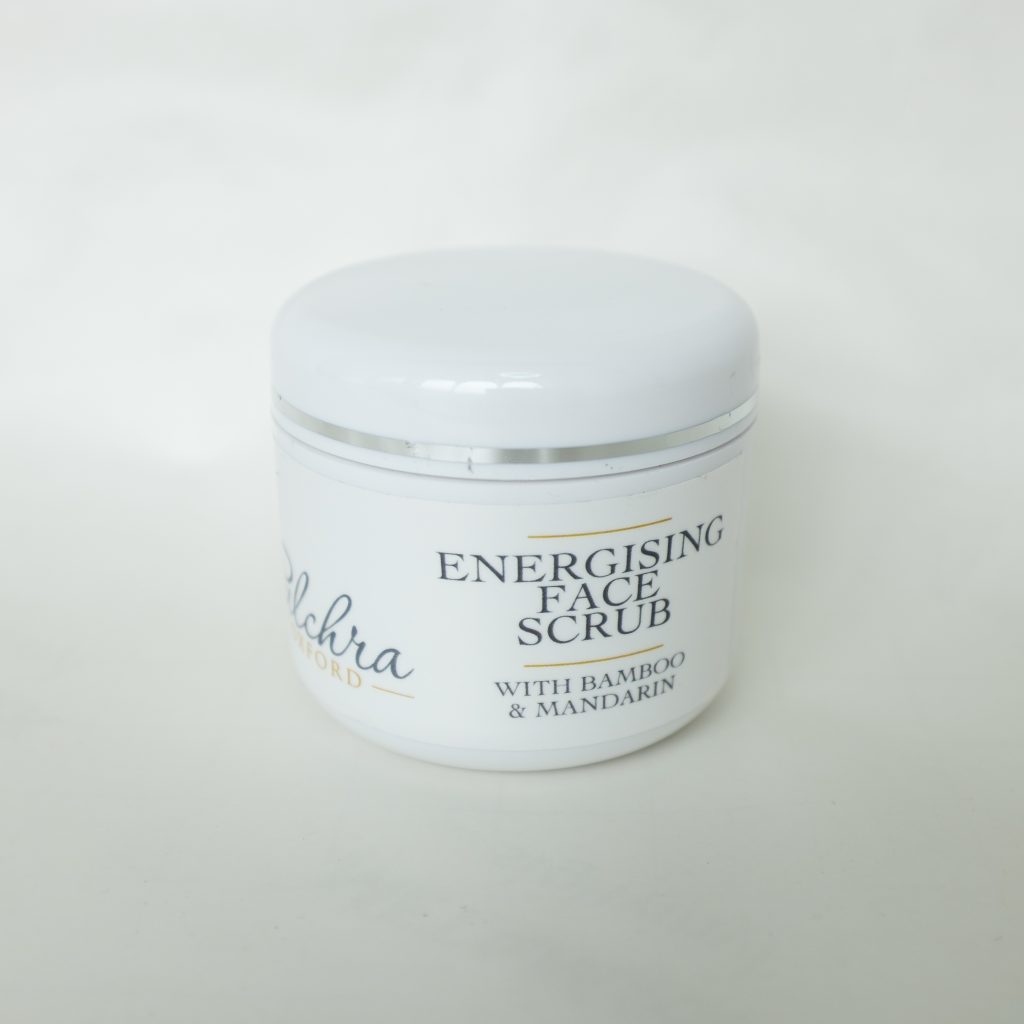
Manual Exfoliators involve physically scrubbing the skin with small particles like sugar or salt. These exfoliators work by mechanically removing dead skin cells from the skin's surface.

Pros: Immediate results, can target specific areas, and offers a satisfying scrub sensation.
Cons: Can be too harsh, especially for sensitive or acne-prone skin, potentially causing irritation or micro-tears if used too aggressively.

Chemical Exfoliators use acids or enzymes to dissolve dead skin cells without physical abrasion. Common types include AHAs (like glycolic acid), BHAs (like salicylic acid), and enzymes derived from fruits.*

Pros: More even exfoliation, penetrates deeper into the skin, suitable for sensitive skin, and can improve skin texture and tone over time.
Cons: Requires careful use to avoid over-exfoliation, can cause sensitivity or irritation if used incorrectly, and may increase sun sensitivity.
* More Exfoliators Coming Soon!
Facial Oils
Benefits

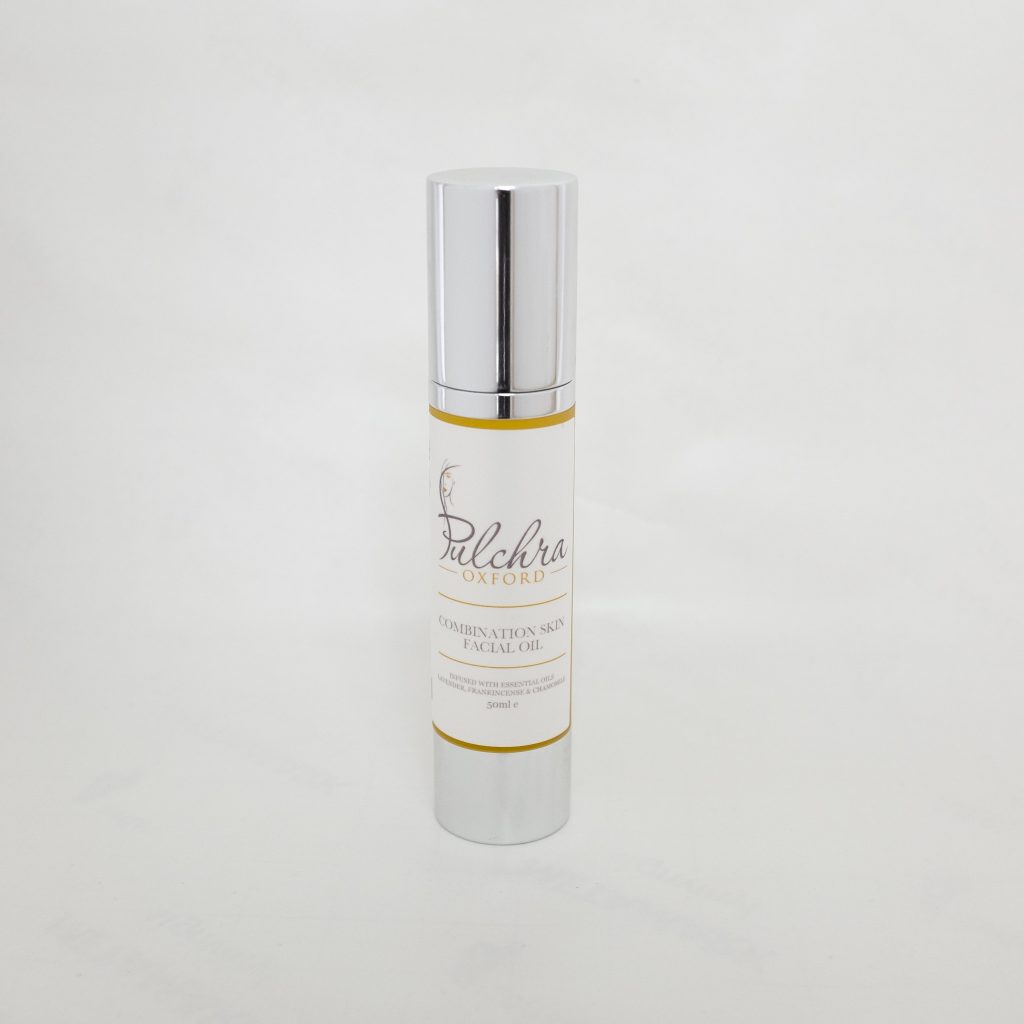
Facial oils are concentrated, nourishing oils derived from natural plant sources that are designed to deeply hydrate, protect, and rejuvenate the skin. They are typically formulated with a blend of essential oils, carrier oils, and sometimes added vitamins or botanical extracts, each selected for its unique skin benefits.  Facial oils are versatile and can be tailored to different skin types and concerns, making them a valuable addition to any skincare routine.
Treatment Masks
Multiple Types & Their Benefits

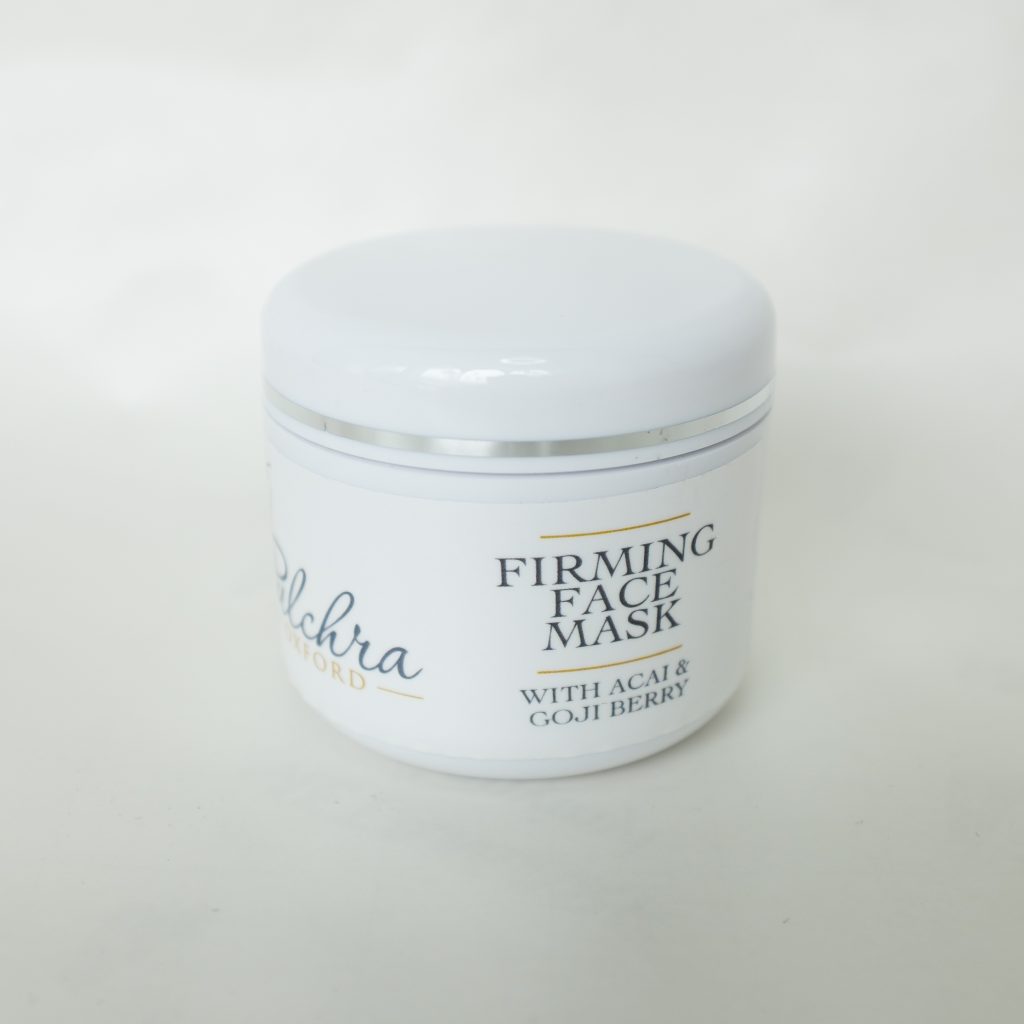
Facial masks are skincare treatments designed to target specific skin concerns by delivering concentrated ingredients to the skin. There are various types of facial masks, each with unique benefits depending on the skin's needs.

Clay Masks - Made from natural clays like bentonite, kaolin, or French green clay, these masks are known for their ability to absorb excess oil, detoxify the skin, and draw out impurities from deep within the pores.
Sheet Masks - These are fabric or gel sheets soaked in a serum rich in beneficial ingredients like hyaluronic acid, vitamins, or antioxidants. The sheet acts as a barrier, allowing the skin to absorb the serum more effectively.*
Gel Masks - Lightweight, water-based masks that are often infused with soothing and hydrating ingredients like aloe vera, cucumber, or hyaluronic acid. They have a cooling and refreshing effect.
Charcoal Masks - Masks that contain activated charcoal, known for its powerful detoxifying properties, to draw out impurities and toxins from the skin.*
*More Masks Coming Soon!
Moisturisers
Humectant Vs. Occlusive

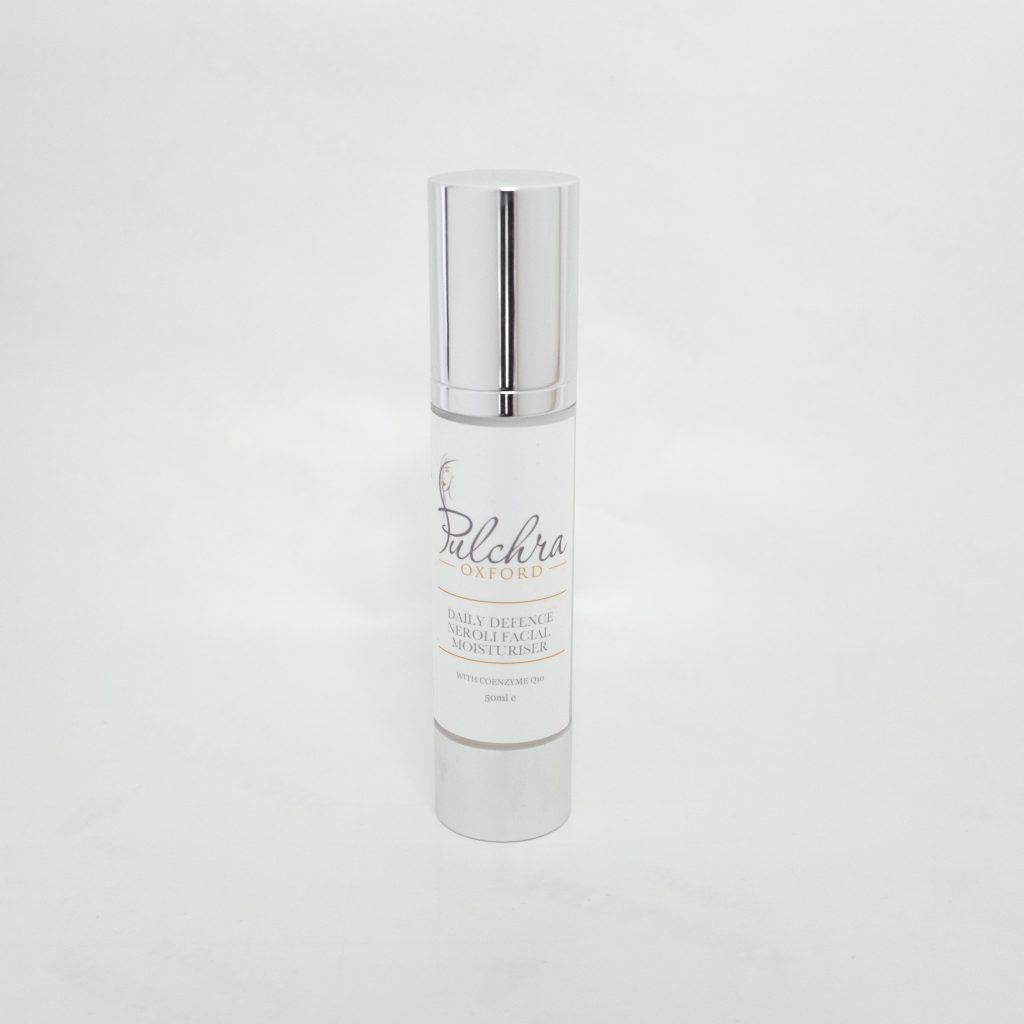
Humectants are ingredients that attract water from the environment and deeper layers of the skin to the surface, helping to hydrate and maintain moisture. Common humectants include hyaluronic acid, glycerine, and aloe vera.

Pros: Provide lightweight hydration, improve skin elasticity, and keep the skin soft and plump. Suitable for all skin types, especially dehydrated skin.
Cons: In dry climates, they can draw moisture from the deeper layers of the skin instead of the air, potentially leading to dryness if not combined with an occlusive.

Occlusive moisturizers create a physical barrier on the skin's surface to prevent water loss, sealing in moisture and protecting the skin. Examples include petroleum jelly, beeswax, and lanolin.

Pros: Excellent for locking in moisture, preventing dehydration, and protecting the skin from environmental factors. Ideal for dry, sensitive, or compromised skin barriers.
Cons: Can feel heavy or greasy, may clog pores if used excessively on oily or acne-prone skin, and may not provide hydration alone without a humectant.
Serums
What is a Serum?

A serum* is a lightweight, fast-absorbing skincare product formulated with a high concentration of active ingredients designed to target specific skin concerns. Unlike moisturizers, which are typically thicker and focus on hydrating and protecting the skin, serums have a thinner consistency, allowing them to penetrate deeper into the skin layers.
*More Serums Coming Soon!